 Deutsch
 English

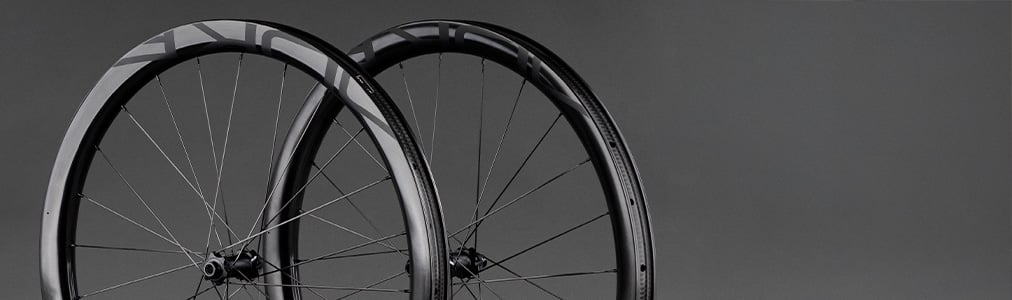
Wheelsets for Road & Gravel: Your Guide to Materials, Compatibility & Tubeless Setup
Looking for new wheelsets for your road or gravel bike? You’ve come to the right place! We offer a huge selection of high-quality wheelsets — from sleek road wheels to robust gravel combos. Whether you’re tearing up the tarmac or venturing off-road, you’ll find not just top products here, but also the knowledge that truly matters.
want read more.
Wheel Sizes: 28" vs. 27.5" – What’s Right for You?
Most of the wheelsets in our range are 28 inches — the classic choice for road and gravel. Why? Simple: the smoother ride, better rolling efficiency, and vast tire selection make 28" the first pick for most riders. But don’t worry, we also carry 27.5" wheelsets, especially for gravel and e-bike enthusiasts. These are nimbler, accelerate faster, and offer more room for wide tires — perfect when things get rough or you need extra grip.
Who should choose what?
- 28 inches: Ideal for you if you value speed and efficiency, or if you want to tackle long distances and mixed terrain on your gravel bike.
- 27.5 inches: The best choice for compact frames, technically demanding trails, or if you simply want more control and comfort.
Materials: Carbon vs. Aluminum – What’s the Difference?
Choosing the right rim material is crucial for weight, stiffness, and durability. Here’s what you need to know:
| Material | Advantages | Disadvantages | Ideal for |
|---|---|---|---|
| Carbon | Extremely light, stiff, aerodynamic | More expensive, sensitive to lateral impacts | Road bikes, racing, low to mid-height rims |
| Aluminum | Durable, more affordable, easy to repair | Heavier, less aerodynamic | Gravel, everyday use, training, high rims |
Our Tip: Carbon rims shine with weight savings and performance, but aluminum is the all-rounder — especially if you ride off-road a lot or prioritize longevity.
Rim Height: From 20mm to 80mm – What’s the Impact?
Rim height affects aerodynamics, stiffness, and comfort. Here’s a quick overview:
- 20–30mm: Lightweight, comfortable, ideal for gravel and light road use.
- 35–50mm: The sweet spot for most road bikes — good aerodynamics without sacrificing comfort.
- 50–80mm: For speed enthusiasts and time trial specialists. Watch out for crosswinds!
- Disc wheels: Maximum aerodynamics for time trials or triathlons—but not suitable for gravel.
Tubeless-Ready: How to Seal the Deal with Sealant
Tubeless riding is a game-changer for fewer punctures and more comfort. But beware: Not every wheelset is tubeless-compatible! Here’s your setup checklist:
- Rim: Must be labeled “Tubeless-Ready” or “Tubeless.” Look for a sealed rim bed and a hookless or hooked design (both work, but hookless is often lighter).
- Rim tape: A high-quality, self-adhesive tape is essential—it prevents air from escaping through the spoke holes.
- Valve: You’ll need a tubeless-specific valve, preferably with a rubber core for a tight seal.
- Tire: Must be “Tubeless-Ready.” Check the recommended tire width for your rim (e.g., 25–50mm for gravel rims).
- Sealant: A must-have! It instantly seals small holes. We recommend 60–120ml per tire.
- Mounting: The tire and rim must fit perfectly. Carbon rims can be trickier — use a tire lever with care.
Pro Tip: After mounting, inflate the tire with a tubeless booster or a strong floor pump to “pop” it into place. Then, hold 2–3 bar of pressure and distribute the sealant (spin and tilt the wheel).
Freehub Compatibility: Shimano vs. SRAM – Who Fits Whom?
Nothing’s more frustrating than buying a wheelset that doesn’t fit your cassette. So always check the freehub standard!
- Shimano: From classic to current 12-speed setups. Make sure it’s compatible with your drivetrain! Shimano offers HG and MicroSpline freehubs.
- SRAM (XD/XDR): Required for SRAM 12-speed cassettes (e.g., Eagle or AXS). Note: Shimano and SRAM are not compatible with each other!
- Campagnolo: A proprietary system, less common—but we’ve got solutions for that too.
Our Advice: Check which cassette you’re using before purchasing. If you’re unsure, just use our filters or ask us!
Axle Standards: Thru-Axles Only – But Which Ones?
Quick release? Not here! We rely entirely on thru-axles—stiffer, more stable, and safer. Here are the most common standards:
- Road: 12x100mm (front), 12x142mm (rear)
- Gravel/E-bike: 12x100mm (front), 12x142mm or 12x148mm (Boost, rear)
- Downcountry/Gravel+: Sometimes 15x100mm (front) or 12x148mm (Boost, rear)
Important: Measure your current axle or check your frame documentation. Boost axles (148mm rear) offer more stiffness and tire clearance—perfect for wide gravel tires.
Spokes: Round, Flat, Aerodynamic – What Matters?
Spokes make a difference too:
- Round spokes: Durable, easy to maintain, ideal for gravel.
- Flat/aero spokes: Less air resistance, but slightly more fragile.
- Material: Stainless steel is standard; titanium or carbon are niche options for extreme weight savings.
Our Gravel Favorite: J-bend spokes with brass nipples—easy to replace and long-lasting.
Conclusion: Your Perfect Wheelset Awaits!
Whether you’re after an ultra-lightweight carbon wheelset for alpine stages or a bombproof aluminum gravel wheelset for off-road adventures — you’ll find what you need at R2BIKE. And if you’re unsure, we’re happy to advise you personally!
Your Next Steps:
- Filter by your preferred rim height, material, and axle standard.
- Check freehub compatibility with your cassette.
- Go tubeless if you’re tired of punctures.
Questions? Drop us a line or give us a call — we’ll help you find the perfect setup. Now, get out there and ride! 🚴♂️