 Deutsch
 English

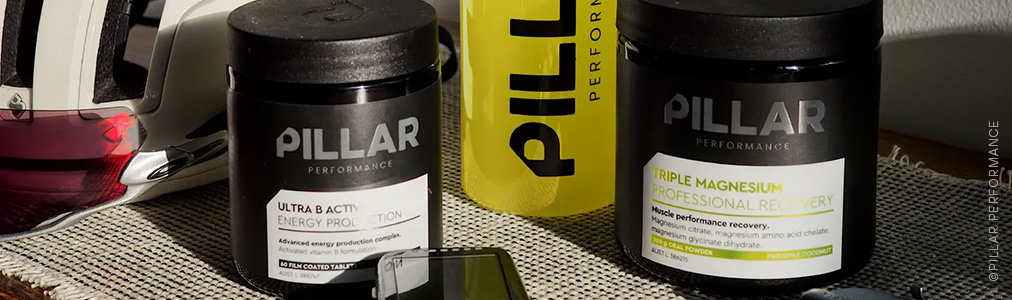
Dietary Supplements for Cyclists – Smarter Support, Better Performance
Whether you're staying on your feet after a brutal climb, giving it your all in a sprint, or simply recovering faster from ride to ride – the right supplement at the right time can make all the difference.
Dietary supplements don't replace a solid foundation of good nutrition, that's clear. But they fill in the gaps that often remain even with a balanced diet – especially when you train regularly and your body is constantly under strain.
At R2BIKE, you'll find supplements that make sense specifically for active cyclists: vitamins & minerals, amino acids, and creatine – each with its own area of effect, each usable in a targeted way.
want read more.
Vitamins & Minerals – The Invisible Foundation of Your Performance
Those who train a lot need more. It sounds simple, but it's the crucial basic rule. With every long ride, you lose not just water through sweat, but also valuable electrolytes and micronutrients. Magnesium and potassium are the two big classics – they keep your muscles able to contract and protect you from cramps in critical moments.
Vitamin D plays a particularly central role for cyclists in temperate climates. During the winter months – precisely when you're in a training block or preparing for the season – your skin produces hardly any vitamin D of its own. A deficiency not only slows down bone health, but also the immune system and muscle recovery. Iron is especially relevant for endurance athletes because it is directly involved in supplying oxygen to the working muscles. B vitamins are the engines of your energy metabolism – without adequate supply, the conversion of food into usable energy simply doesn't run smoothly.
When is it useful? Continuously during the training season, especially in winter for vitamin D and during high training loads for magnesium and iron.
Amino Acids – The Building Blocks for Everything That Happens After Training
Proteins are made up of amino acids – and your muscles are made up of proteins. So far, so good. The crucial part is the essential amino acids that your body cannot produce on its own: these must be obtained through food or specifically through supplements. After intense sessions, microscopic tears occur in the muscle fibers – and this is where amino acids come into play. They are the repair material that rebuilds your muscles and makes them stronger.
Particularly in focus are BCAAs (branched-chain amino acids: leucine, isoleucine, and valine), which can be utilized directly by the muscles without taking the detour through the liver. For cyclists with a high training volume, this can significantly shorten the recovery cycle. Beta-alanine is another interesting amino acid – it buffers lactate in the muscles and can thus help you maintain a high intensity level for longer before your legs start to burn.
When is it useful? Amino acids unfold their effect best within a window of 30–60 minutes after training, when the muscles are particularly receptive.
Creatine – Not Just for Strength Athletes
Yes, creatine is actually known from strength sports. But cyclists should also take a closer look – and for good reason: creatine improves the body's ability to provide energy during short, high-intensity efforts. For you on the bike, this means: more power in sprints, on steep climbs, or during short attacks in a race. Creatine increases the phosphocreatine stores in the muscles, which is directly converted into readily available ATP energy.
In addition, newer studies suggest that creatine can also support recovery after intense sessions. Especially when you combine a lot of volume and intensity in training phases, this can be a real advantage.
When is it useful? Creatine is most commonly taken daily with 3–5 g – either around training or with any meal. A classic loading phase is optional, but not absolutely necessary.
What You Should Know About Using Supplements
A few honest words in conclusion: dietary supplements are exactly that – a supplement. They do not replace a wholesome diet or a structured training plan. If you experience symptoms such as persistent fatigue or a drop in performance, it's worth seeing a doctor to diagnose any deficiencies before reaching for supplements.
Also, pay attention to quality: high-quality products use clean ingredients without unnecessary fillers, added sugars, or questionable chemical additives. When in doubt, remember: less is more – and targeted supplements bring much more than a collection of everything the market has to offer.
Whether road bike, MTB, or gravel – what matters is what you get out of your training. With the right supplements, you have at least one more building block in your hands.