 Deutsch
 English

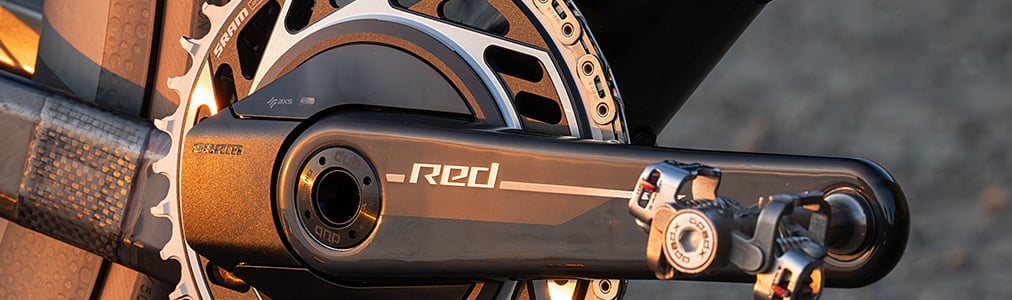
Bicycle Spiders: Find the right one for your Bike
Bicycle spiders have nothing to do with eight-legged crawlers, but they're just as important for a functioning system. These clever components connect the crank and chainrings, ensuring your pedaling power is efficiently transferred to the chain. Modern spiders can even measure your wattage—more useful than any spider in a web. At R2BIKE we offer spiders for every demand: from high-tech power meter spiders, to robust solutions for 1x MTB/Gravel and classic 2x Road/Gravel drivetrains.
want read more.
What is a Spider and What is it Used For?
A spider connects the chainrings to the crank and transfers pedal force to the drivetrain. Modern spider systems not only allow flexible chainring changes, but also the integration of power meters for performance measurement.
Buying Criteria: What to Look Out for When Buying a Spider
Bolt Circle Diameter (BCD) – The Most Important Compatibility Feature
The BCD (Bolt Circle Diameter) determines which chainrings are compatible with your spider:
- 110 mm BCD: Standard for 2x road drivetrains, optimal for chainrings from 34 teeth
- 104 mm BCD: Versatile for MTB and gravel, supports smaller chainrings from 32 teeth
- 96 mm BCD: Special format for very small chainrings (from 30 teeth)
- 130 mm BCD: Classic road standard for large chainrings
- Direct mount: Chainring is mounted directly to the spider, no additional bolts required
Check Crank Compatibility
Not every spider fits every crank. Important factors:
- Crank standard: Shimano Hollowtech II, SRAM GXP, FSA BB30 etc.
- Axle interface: 24mm, 30mm, or DUB standard
- Brand compatibility: Shimano, SRAM, and FSA have different mounting systems
1x vs. 2x Spiders
1x Spider (MTB/Gravel):- Optimized for single chainring setups
- Better chainline
- Lighter weight
- Mount for both large and small chainrings
- Precise shifting performance
- Traditional road gearing possible
Power Meter Spiders: Easy Performance Measurement
Power meter spiders offer an elegant solution for retrofitting your drivetrain with performance measurement:
Advantages of Power Meter Spiders:
- Easy installation: swap the existing spider
- High accuracy: direct measurement at the power source
- Versatility: compatible with various chainrings
- Durability: robust construction for all weather conditions
Important Considerations:
- Calibration required after installation
- Mind battery life
- Check ANT+ and Bluetooth compatibility
- Weight difference compared to standard spiders
Installation and Maintenance
Installation Tips:
- Use a torque wrench (observe manufacturer specs)
- Use threadlocker on chainring bolts
- Regularly inspect for cracks or signs of wear
Maintenance Notes:
- Clean after riding in bad weather
- Regularly check bolts for correct torque
- For power meters: monitor battery status
Spiders for Different Applications
MTB Spider
- Robust construction for trail use
- Compatibility with 1x drivetrains
- Often in 104mm or 96mm BCD
Road Spider
- Aerodynamic design
- Optimized for 2x shift groups
- Usually 110mm BCD standard
Gravel Spider
- Versatile for 1x and 2x
- Compact gearing possible
- Robust design for mixed terrain
Conclusion: The Right Spider for Every Need
The choice of the right spider depends on several factors: your bike type, the desired gearing, and possible power meter ambitions. In our shop, you’ll find spiders for all applications—from simple upgrades to high-end power meter systems.
Most important buying criteria summarized:- BCD matched to desired chainrings
- Compatibility with your crank
- 1x or 2x design
- Material and weight
- Power meter integration desired?