 Deutsch
 English

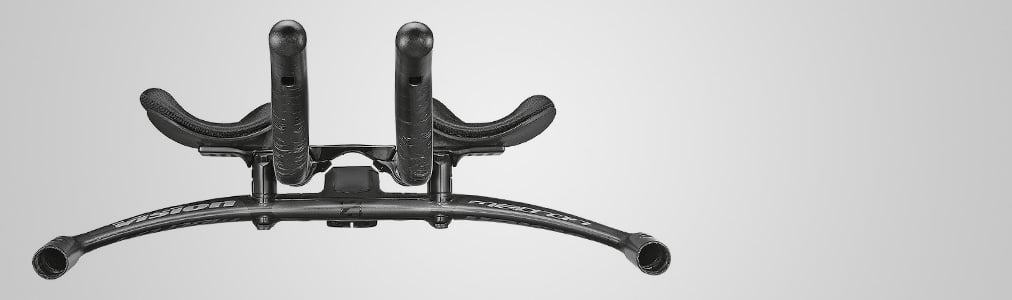
Triathlon Handlebars – Your Key to the Aerodynamic Position
Are you in search of the perfect triathlon handlebars for your time trial or triathlon bike?
The right base bar combined with aero extensions forms the heart of your aerodynamic
position and can be crucial for your performance. Here, you will find all the essential
information about triathlon handlebars, their features, and what you should consider
when purchasing.
want read more.
Triathlon Handlebars vs. Classic Road Handlebars – Key Differences
Unlike conventional road handlebars, triathlon handlebars are specifically designed for the aerodynamic position during time trials and triathlons. The basic structure consists of a base bar with mounted aero extensions and armrests. This combination allows for a low, streamlined position where your arms are parallel to the direction of travel—ideal for long-lasting, even exertion on straight paths.
The key differences at a glance:
- Aerodynamics: Triathlon handlebars significantly reduce your air resistance compared to classic road handlebars
- Position: Armrests allow for a stable and comfortable aero position over longer periods
- Grip options: Fewer variable grip positions than with road handlebars, but optimized aerodynamics
- Shifting: Special shift levers on the bar ends or at the end of the aero extensions
The Various Types of Triathlon Handlebars
In the realm of triathlon handlebars, you can choose between different constructions: Classic base handlebars form the foundation for customizable aero extensions. They resemble flat road bars but offer optimized aerodynamic properties. With separate aero extensions, you can perfectly adjust your position to your body measurements and preferences.
Integrated aero cockpits combine base bars and aero extensions into one piece, offering maximum aerodynamics through internal cable routing and a streamlined design. These complete solutions are particularly aerodynamic but offer less customization.
One-piece designs take it a step further by integrating the handlebars and stem into one piece. These highly specialized systems offer you the best possible aerodynamics but further limit customization options.
Key Features for Your Perfect Triathlon Handlebars
When selecting your triathlon handlebars, you should pay attention to the following features:
- The base bar width should match your shoulders and is typically between 38 and 44 cm. Narrower bars improve aerodynamics, while wider ones offer more control.
- The stack refers to the height of the armrests above the base bar. A higher stack provides a more comfortable, less aggressive position—ideal for long distances.
- The reach determines the horizontal distance of the armrests to the steering tube. A longer reach leads to a more stretched, aerodynamic position but may compromise comfort.
- The armrest width is crucial for your comfort and breathing. Closer positions improve aerodynamics, while slightly wider ones open up your airways - a critical compromise, especially over long distances.
- Cable routing - internal or external - impacts both aerodynamics and ease of maintenance. Internal cable routing offers aerodynamic advantages but makes adjustments and repairs more complicated.
Materials – Lightness Meets Aerodynamics
Two main options dominate the materials for triathlon handlebars:
- Aluminum handlebars impress with their balanced price-performance ratio. They are robust, affordable, and offer some flexibility when mounting accessories. With modern manufacturing techniques, aluminum handlebars now also achieve considerable aerodynamic properties.
- Carbon handlebars set the gold standard in terms of weight and aerodynamics. The high-quality material allows for complex aerodynamic profiles and integrated designs with minimal weight. Additionally, carbon offers better vibration damping for more comfort on long distances. The downside: the higher price and lower tolerance for crashes or incorrect torque during assembly.
The Right Choice for Your Triathlon Use
Depending on your focus and area of use, different types of handlebars are recommended:
- For short and middle distances: Aggressive, low-adjusted aero handlebars with maximum aerodynamics
- For long distance: Slightly higher adjusted systems with wider armrests for more comfort over many hours
- For beginners: Adaptable systems with separate components that allow for gradual optimization
- For professionals and specialists: Fully integrated, customized cockpit solutions for maximum aerodynamics
Your triathlon handlebar is not only a crucial component for your aerodynamics but also your most important contact point with the bike during the longest discipline in a triathlon. With the right choice and adjustment, you can save valuable minutes and significantly improve your comfort on the bike course—the perfect foundation for a strong final run!