












Sports Nutrition: Bars, Gels & Gummies – Your Power Pack for Long Rides
You know the feeling: Your legs are burning, the sweat is pouring, and suddenly your stomach sends a clear message: "I need something!" – at that point, things get critical. Whether you're out on the trail, facing a long road stage, or preparing for your next race: The right sports nutrition can make the difference between "I give up" and "I'm going full throttle!" But what do you need when? And why is a sports drink alone often not enough? Here’s your guide to bars, gels, and gummies – and how to combine them cleverly to boost your performance.
want read more.
Why Sports Nutrition? Your Body Needs Fuel!
When cycling, you don’t just burn calories, but also valuable carbohydrates – your main source of energy. After about 60–90 minutes of exertion, your body’s glycogen stores are depleted. Now it’s time to refuel, otherwise, you risk the dreaded "bonk." Sports nutrition is specifically designed to provide you with quick energy without overloading your stomach. And the best part: It’s compact, easy to carry, and can be consumed effortlessly while riding.
Bars, Gels, or Gummies – What Suits You?
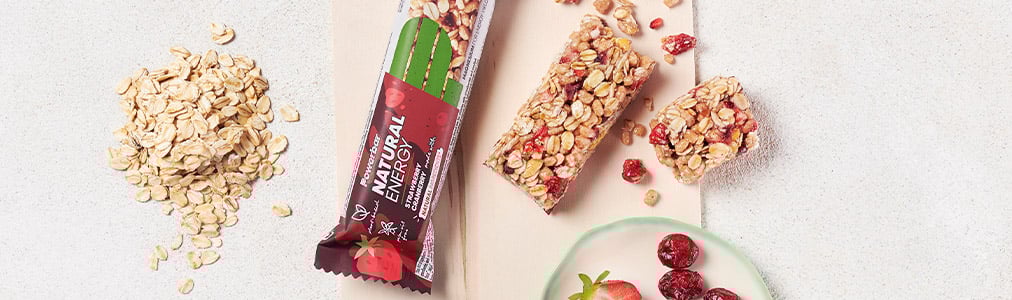
Energy Bars: The All-Rounder for Long Rides
- Advantages: Varieties richer in fiber provide long-lasting energy, ideal for rides lasting 2–3 hours or more. Many bars also contain protein, which helps prevent muscle breakdown.
- Disadvantages: Slightly harder to digest than gels – not ideal when you need energy fast.
- For whom? Perfect for leisure cyclists, road racers on long stages, or mountain bike tours with breaks.
- Tip: Combine bars with water to aid digestion.
Energy Gels: The Turbo Boost for Quick Energy
- Advantages: Provide quickly available carbohydrates (usually 20–25 g per gel) and are easy to swallow – ideal for intense efforts or races.
- Disadvantages: Can upset your stomach if taken in high doses or with insufficient fluids.
- For whom? Anyone who needs energy at short intervals (e.g., every 30–45 minutes).
- Caution: Always take with water, otherwise, you risk stomach cramps! (Exception: Gels like Powerbar Hydrogel, which do not require additional water intake after consumption.)
Gummy Chews: The Sweet Snack for In-Between
- Advantages: Practical, tasty, and often contain caffeine or guarana for an extra kick. Great for short, intense sessions or as a supplement to bars.
- Disadvantages: Often contain sugar – not ideal for those sensitive to sugar.
- For whom? Anyone who wants variety in taste and doesn’t like sticky gels.
Organic, Vegan, Gluten-Free – What’s Inside?
- Organic Products: Free from artificial additives, ideal for nature lovers.
- With Caffeine/Guarana: Gives you a mental boost – but be careful, don’t take them too late in the day, or you might still be wide awake with a racing heart!
- Gluten-Free/Lactose-Free: For those with intolerances – no compromises on performance.
- Low-Sugar/Sugar-Free: Good for diabetics or low-carb fans, but beware: Without sugar, energy supply may be slower.
When to Take What? Your Schedule for Perfect Energy Intake
| Duration of Ride | Recommendation |
|---|---|
| < 60 minutes | Water or an isotonic sports drink is usually sufficient. |
| 1–2 hours | 1–2 gels or a handful of gummies + sports drink. |
| 2–4 hours | 1 bar at the start + 1 gel or gummies every 45 minutes + sports drink. |
| 4+ hours | Alternate between bars and gels (e.g., every 30–45 minutes) + electrolyte drink. |
Pro Tip: Test your strategy during training! Every stomach reacts differently – what works for your buddy might not work for you.
Can I Replace Sports Nutrition with Drinks?
Sure, sports drinks provide fluids and carbohydrates – but after 2–3 hours, it gets critical. Why?
- Liquid nutrition alone doesn’t satiate and often provides too little energy per hour.
- Solid food (bars, bananas) gives you the feeling of having "something in your stomach" and prevents hunger pangs.
- Combination Tip: 1 bottle of sports drink (500 ml/h) + 1 gel/bar per hour = optimal mix of fluids and energy.
The Most Common Mistakes – And How to Avoid Them
- Eating Too Late: If you feel hungry, it’s often already too late. Eat proactively!
- Too Much at Once: Better to take small portions every 30–45 minutes than one huge meal.
- Not Drinking Enough: Without fluids, your body can’t process the carbohydrates.
- Trying New Things on Race Day: Avoid untested products – otherwise, your race might end in the bathroom.
Conclusion: Sports Nutrition Is Not a Luxury, It’s a Necessity
Whether bars, gels, or gummies – the main thing is that you keep moving and stay energized. Try out what tastes good and works for you, and always pack a little more than you think you’ll need. Because nothing is worse than running out of fuel 20 km from the finish line.
Now: Get on your bike and go! But don’t forget to replenish your stores after the ride – a protein bar or shake will help your muscles recover.