












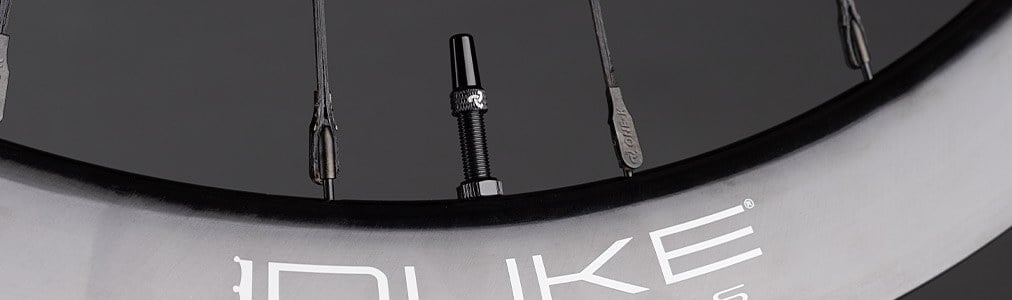
Tubeless valves - the heart of a functioning tubeless system
Tubeless valves are a crucial element in any tubeless system. They establish the connection between the tire and the rim and ensure that the air remains reliably in the tire. Whether on a mountain bike, road bike or gravel bike - choosing the right tubeless valves determines the performance and tightness of your setup. In addition to our wide range of high-quality tubeless valves, you will also find accessories for classic valve types such as Sclaverand, Dunlop or Schrader valves. Supplements such as valve extensions and tools are of course also available here.
want read more.
The function of tubeless valves
Tubeless valves sit directly in the rim and allow your tubeless tire to be filled with air and sealant. Unlike tubular systems, tubeless valves must be airtight towards the rim as they do not have an additional layer of tubing. This is why they are specially equipped with a rubber base that adapts perfectly to the valve hole in the rim. Thanks to a valve core that can be unscrewed, tubeless sealant can also be filled directly through the valve.
Advantages of high-quality tubeless valves
- Air and leak tightness: Ensure a permanently airtight system
- Flexibility: Unscrewable valve cores make it easier to fill in tubeless milk
- Durability: High-quality materials such as aluminum or brass ensure high resilience and a long service life
What valve types are there and when are they used?
Whether tubeless or classic tube system - the choice of the right valve type is crucial for the functionality of your bike. There are various types of bicycle valves, which differ in terms of design, area of application and compatibility. Here is an overview:
1. Sclaverand valve (SV) - also known as a Presta valve
This valve is a classic on road bikes, mountain bikes and gravel bikes. Tubeless valves are also usually based on this design, as they are light and slim and can be optimally combined with narrow rims.
Advantages:
- Low weight
- They can also withstand high air pressures, e.g. on racing bikes
- Easy unscrewing of the valve core for filling with tubeless milk
2. Schrader valve (AV) - also known as car valve
The robust car valve is particularly common on city bikes, trekking bikes and older standard mountain bikes. It is similar to the valve on car tires and works with almost any air pump.
Advantages:
- More robust than Sclaverand valves
- Compatible with automatic compressor connections, e.g. at gas stations
3. Dunlop valve (DV) - the classic bicycle valve
The Dunlop valve (also known as the flash valve) is particularly common on older or cheaper bikes. It is particularly easy to use, but is unusual for use in the tubeless system.
Advantages:
- Simple and uncomplicated - ideal for everyday use
- Widely used in Europe (especially on very inexpensive bikes)
Valve extensions - ideal for high rims
Valve extensions are indispensable, especially for road bike and aero rims with a greater overall height. They are attached to the existing valve to allow the air supply for deep rims.
When are valve extensions important?
- For high rims: Rims with a height of 40 mm or more usually require an extension so that pump adapters or compressor connections can be reached
- For different wheels: Valve extensions make tubeless setups more flexible so that the same valves can be used on several rim heights
Material and fastening:
High-quality valve extensions are made of aluminum or plastic and are securely connected to the valve by threads. Ideally, they seal airtight at the connection area to the regular valve to prevent air loss.
Important tools for valve installation and maintenance
A well-functioning valve system also depends on proper installation and regular maintenance. You need the right valve tools for this:
1. valve wrench
A valve wrench or valve driver is the most important tool for installing screw-in valves and removing or cleaning valve cores. A valve wrench is particularly indispensable for filling tubeless milk via the valve.
2. sealing rings and spare parts
Over time, sealing rings on the valve base can wear out, leading to air loss. You should always have a few spare rings to hand in your toolbox so that you can replace defective parts quickly.
3. tubeless repair tools
- Cleaning: Small brushes or needles help to remove dried milk or dirt from the valve
- Sealant syringe: A special syringe makes it easier to fill tubeless milk through the valve
How do I fit tubeless valves correctly?
A correctly fitted valve is essential to ensure the tightness of the tubeless system.
- insert the valve: Position the tubeless valve so that the rubber foot sits optimally in the valve hole of the rim
- secure the valve: Tighten the O-ring and the screw connection firmly by hand from the outside so that no air escapes. Ideally, do not use tools such as pliers for this, as there is a risk of tightening with too much force and damaging the seals on the valve
- use the valve core: Fill the sealing milk through the valve after you have removed the core or directly into the opened tire
Tip:
When piercing the valve through the rim tape, make sure that the rim tape does not tear unnecessarily far. Otherwise air can escape at this point.
Conclusion: Tubeless valves and accessories for a successful setup
Tubeless valves are a key component for an effective tubeless system. Their function of establishing the connection between the interior of the tire and the air supply is essential for an airtight and durable construction. With the right accessories such as valve extensions, special tools and robust sealing rings, you can ensure that your tubeless setup always works reliably.
Whether road bike, MTB or gravel - find the right valve for your bike and benefit from durable, safe and high-quality materials. Also discover other accessories such as rim tapes, sealants and tools to make your tubeless system perfect and ride puncture-free all the time!