












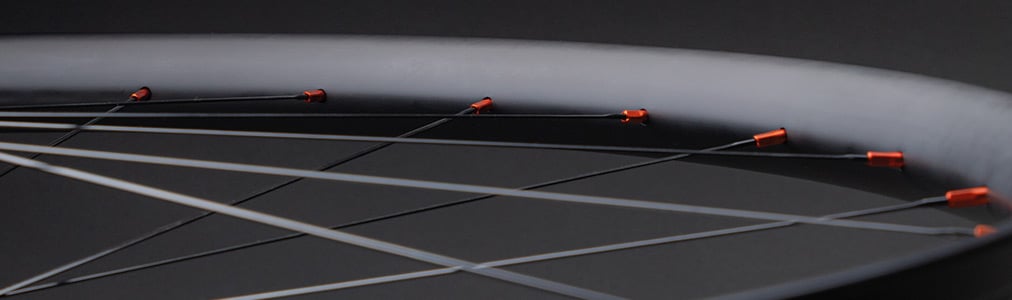
Bike Spokes & Nipples – The Unsung Heroes of Your Wheel
Let’s be honest: When you’re planning a new wheel, you think of the rim and hub first. The spokes? They’re usually an afterthought. But they’re the ones that determine whether your wheel ends up light, stiff, durable—or all three. Spokes aren’t just consumables; they’re small-scale engineering marvels. Once you understand what’s behind the different types, you’ll never buy blindly again.
want read more.

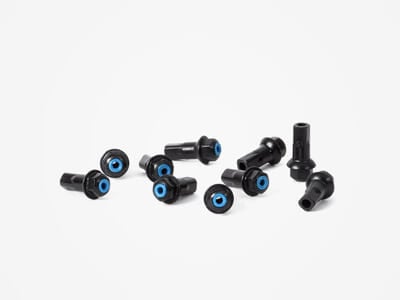
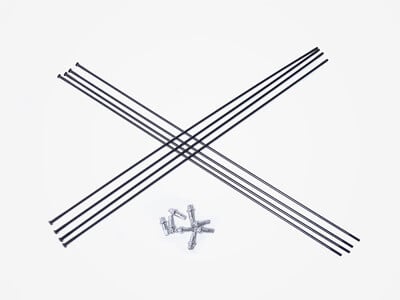
Handpicked Products


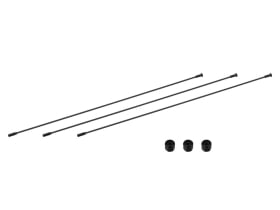
J-Bend or Straightpull – What’s the Difference?
The most obvious difference is at the head of the spoke.
J-Bend spokes have the classic hook—the “J”—which threads through the hub flange hole. This design has been tried and tested for decades, is universally compatible, and you can find matching spokes for almost any hub on the market. Ideal if you want flexibility in wheel building or need to re-spoke an existing wheel.
Straightpull spokes, on the other hand, are straight—no hook, no bend. They’re guided through special hub holes and held in place by their shape. While this might sound restrictive (you need a compatible hub), it comes with clear advantages: no weak points where material can fatigue, cleaner force transmission, and often greater stiffness. For high-stress rear wheels or performance setups, Straightpull is frequently the top choice.
Round or Flat – Spoke Cross-Sections Explained
Just as important as the head is the cross-section of the spoke:
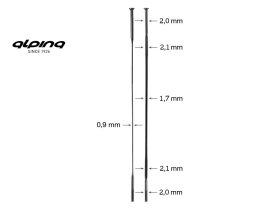
Round spokes are the classic choice. Affordable, robust, and easy to source. In their simplest form, they have the same diameter along their entire length—known as plain gauge spokes. But if you look closely, you’ll notice many round spokes are thinner in the middle than at the ends. This isn’t random; it’s intentional. These butted spokes (single or double butted) save weight in the middle, where the spoke is least stressed, while maintaining full material strength at the head and thread. The result: less weight with the same—or even better—durability, as the thinner middle acts like a spring, absorbing peak loads.
Bladed spokes (also called aero or flat spokes) are flattened—sometimes oval, sometimes lenticular, sometimes truly flat like a small blade. The advantage: significantly better aerodynamics due to reduced wind resistance. Bladed spokes are also easier to secure against twisting during wheel building. Well-known examples include the SAPIM CX-Ray or DT Swiss Aerolite—ultra-light, extremely aerodynamic, and a staple for many road and triathlon wheels.
In summary:
- Round spokes: universal, robust, proven
- Butted: lighter, vibration-damping, more durable than plain gauge
- Bladed spokes: aerodynamic, stiff, the ultimate choice for speed-focused setups
Spoke Nipples: Aluminum or Brass?
The nipple is the small connector between the spoke and rim—and there’s more to it than meets the eye.
Brass nipples are heavier but unmatched in durability. They barely rust, can be loosened even after years, and are ideal for environments with lots of moisture, dirt, and mechanical stress—think MTB, gravel bikes, and anything that regularly faces the elements. If you’re building a wheel that needs to be reliable and low-maintenance, go for brass.
Aluminum nipples save weight—just a few grams per nipple, but it adds up over 32 spokes. For lightweight road or XC wheels where every gram counts, this is a real advantage. The catch: aluminum is softer than brass, can strip more easily during wheel building, and tends to seize over time, especially in wet conditions. Aluminum nipples are best for weight-optimized, well-maintained setups, not for year-round daily riders.
Rule of thumb:
- Brass: durability, everyday reliability, wet conditions
- Aluminum: maximum weight savings, well-maintained sports use
What to Consider When Buying
Before adding spokes to your cart, clarify these points:
- Hub type: J-Bend or Straightpull—this determines your spoke choice first.
- Rim bed: Eyelets or no eyelets? For rims without eyelets, nipples with a larger flange are recommended.
- Length: Calculate your spoke length carefully—too short isn’t an option, and too long is annoying during wheel building. Use a spoke calculator and measure your hub and rim dimensions accurately.
- Intended use: Road and XC = bladed spokes + aluminum nipples. Trail and everyday = butted round + brass nipples. Enduro and heavy loads = stronger plain gauge or butted spokes + brass.
- Material: High-quality stainless steel is standard—with SAPIM and DT Swiss, you get exactly that, including rolled threads for a better surface and higher fatigue strength.
At R2BIKE, you’ll find spokes and nipples from SAPIM and DT Swiss — two brands that have stood for quality for decades, whether you’re re-spoking a commuter bike or building a race-ready road wheel. If you’re unsure which combination is right for your project, our support team is happy to help. And if you’re still uncertain afterward, let us know. Our wheel-building service will take care of the perfect assembly of your dream wheelset and craft it masterfully!